
It is usually prescribed for long-term lung conditions, but it can also be used short-term after an illness. The safest way to decide is through testing, not guesswork, because oxygen is a medicine and the dose matters.
What is home oxygen therapy, in simple terms?
Home oxygen therapy means delivering medical oxygen through equipment used in the home. The goal is to raise oxygen in the blood to a safer level when a person’s lungs cannot do that reliably on their own.
It can be used for a set number of hours each day, only at night, during exercise, or continuously. The exact plan depends on the person’s diagnosis and oxygen readings.
How does home oxygen therapy actually work inside the body?
It works by increasing the amount of oxygen a person breathes in, which boosts oxygen transfer into the bloodstream. That can reduce breathlessness during activity for some people and may improve sleep and mental clarity when low oxygen is the cause.
When oxygen levels stay low for long periods, the heart has to work harder. Correcting chronic low oxygen can help reduce that strain, especially in certain long-term conditions.
Who is home oxygen therapy usually prescribed for?
It is commonly prescribed for chronic obstructive pulmonary disease (COPD), interstitial lung disease, bronchiectasis, and severe asthma in selected cases. It may also be used for pulmonary hypertension, heart failure with low oxygen levels, or after a serious pneumonia when oxygen levels have not yet recovered.
Not everyone who feels breathless needs oxygen. Breathlessness can come from deconditioning, anxiety, anaemia, heart problems, or poor breathing patterns, even when oxygen levels are normal.
How do clinicians decide whether someone needs oxygen at home?
They decide using objective measurements, typically pulse oximetry and blood gas testing. A clinician will look at oxygen saturation at rest, during walking, and sometimes overnight, because some people only desaturate with exertion or sleep.
They will also consider whether oxygen improves readings with a supervised trial. The prescription is based on numbers, symptoms, and the clinical context, not on a person’s sense of breathlessness alone.
What types of home oxygen equipment are available?
Most people use one of three options: an oxygen concentrator, oxygen cylinders, or liquid oxygen. Concentrators take in room air and filter it to deliver oxygen through tubing, which suits long daily use at home.
Cylinders and liquid oxygen are often used for portability or backup. The choice depends on flow rate needs, time spent outside the home, home layout, and what local services provide.
How is oxygen delivered at home, and what does it feel like?
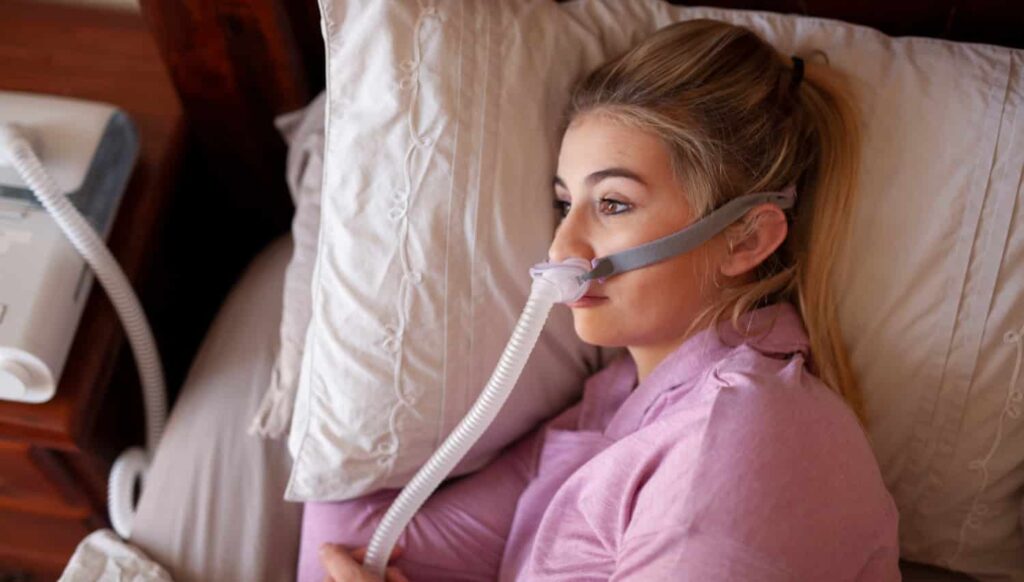
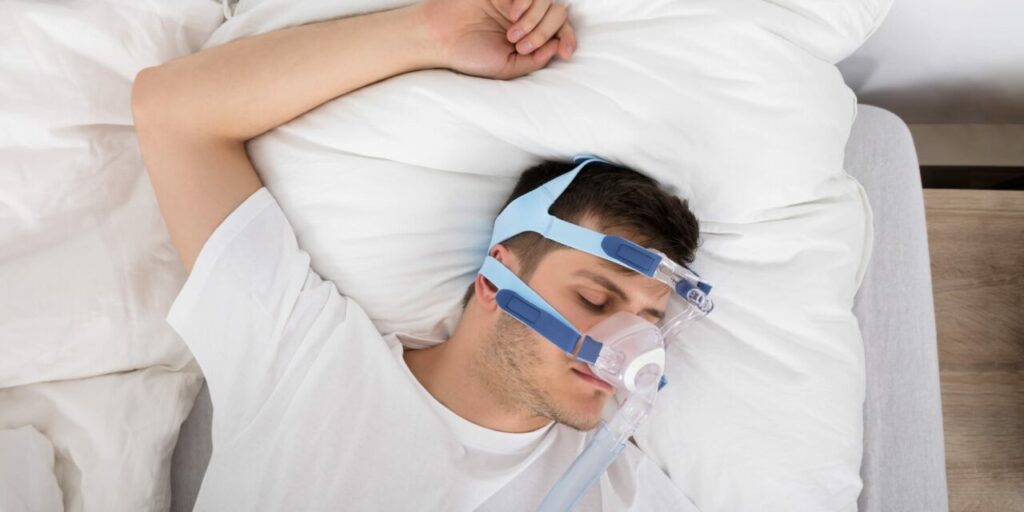
Oxygen is usually delivered through a nasal cannula, which is a small soft tube resting under the nostrils. Some people use a face mask if higher flow rates are needed or if cannulas are not tolerated.
It should not feel forceful, but it can cause dryness in the nose or throat. If discomfort is persistent, clinicians can adjust flow, add humidification in some cases, or suggest skin and nasal care. Learn more about dry mouth syndrome symptoms, causes, and treatment to better understand and manage this condition.
How many hours a day do people need to use it?
That depends on why it was prescribed. Some people need it only during activity, others overnight, and some for many hours a day, including at rest.
For those with chronic low oxygen at rest, longer daily use is often recommended. The prescriber will specify a flow rate and when it should be used, and they should review it over time.
What are the real benefits people can expect?
The clearest benefit is improving low blood oxygen, which can protect organs from the effects of chronic hypoxia. Some people also notice better stamina, fewer headaches on waking, improved sleep quality, and less fatigue when low oxygen was contributing.
It is important to set expectations. Oxygen does not directly improve lung function, and it will not necessarily remove breathlessness if oxygen levels were already normal.
What are the risks or downsides of home oxygen therapy?
The biggest risk is fire, because oxygen makes flames spread faster and burn hotter. Smoking, candles, gas hobs, and poorly managed electrical equipment can become much more dangerous around oxygen.
There can also be medical downsides if oxygen is used incorrectly. In some people, too much oxygen can worsen carbon dioxide retention, so the prescribed flow rate should be followed closely.
How can people use home oxygen safely every day?
They should keep oxygen away from flames and heat sources and follow the supplier’s safety guidance. Anyone in the home who smokes should stop, and smoking should never happen in a home where oxygen is in use or stored.
Tubing should be managed to prevent trips and falls, especially at night. Equipment should be serviced as recommended, and people should contact their oxygen team if alarms sound or the oxygen feels inadequate.
Is home oxygen therapy the same as using oxygen for shortness of breath?
No, and this point prevents a lot of disappointment. Oxygen is for low oxygen levels, not for breathlessness by itself.
Someone can be very breathless with normal oxygen saturations, particularly with COPD flare-ups, anxiety, or poor fitness. In those cases, pulmonary rehabilitation, inhaler optimisation, breathing techniques, and treating the cause often help more than oxygen.
Can someone buy oxygen privately and try it without a prescription?
They can, but it is risky and usually not advisable. Without proper assessment, a person might use oxygen when it is unnecessary, miss the real cause of symptoms, or use the wrong dose.
Oxygen should be treated like any other prescribed medicine. Proper testing and follow-up reduce risk and ensure the therapy actually matches the person’s needs.
How do they know if home oxygen therapy is right for them?
It is likely to be right when testing shows persistent low oxygen at rest, during sleep, or with exertion, and when a clinician judges the benefits outweigh the risks. It is less likely to be helpful when oxygen levels are normal and breathlessness is driven by another issue.
The best next step is for them to ask for an oxygen assessment or respiratory review. With clear measurements, they can make a confident decision and avoid using oxygen as a guess based on symptoms alone.
More to Read : Portable Oxygen Machine vs Home Unit: What’s the Difference?
FAQs (Frequently Asked Questions)
What is home oxygen therapy and who needs it?
Home oxygen therapy delivers medical oxygen at home to people whose blood oxygen levels are too low due to lung or heart conditions. It is commonly prescribed for chronic lung diseases like COPD, interstitial lung disease, bronchiectasis, severe asthma, pulmonary hypertension, heart failure with low oxygen, or after serious pneumonia when oxygen levels haven’t recovered.
How does home oxygen therapy work inside the body?
Home oxygen therapy increases the amount of oxygen breathed in, boosting oxygen transfer into the bloodstream. This can reduce breathlessness during activity, improve sleep quality and mental clarity if low oxygen was causing issues, and reduce strain on the heart caused by chronic low oxygen levels.
How do clinicians determine if someone needs home oxygen therapy?
Clinicians use objective tests such as pulse oximetry and blood gas analysis to measure oxygen saturation at rest, during exercise, and overnight. They also assess whether supplemental oxygen improves these readings during supervised trials. The decision is based on measurements, symptoms, and clinical context rather than breathlessness alone.
What types of equipment are used for home oxygen therapy?
The main options include oxygen concentrators that filter room air to deliver oxygen continuously at home; portable oxygen cylinders and liquid oxygen used for mobility or backup. Choice depends on flow rate needs, time spent outside the home, home layout, and local service availability.
What are the benefits and risks of using home oxygen therapy?
Benefits include improving low blood oxygen which protects organs from hypoxia effects, reducing breathlessness related to low oxygen, enhancing stamina and sleep quality. Risks involve fire hazards due to increased flammability around oxygen; improper use can worsen carbon dioxide retention in some patients. Following prescribed flow rates and safety guidelines is essential.
Can someone use home oxygen without a prescription or just for breathlessness?
No. Oxygen is a medicine prescribed specifically for documented low blood oxygen levels. Using it without proper assessment risks missing underlying causes of symptoms or inappropriate dosing. Oxygen does not relieve breathlessness caused by normal oxygen levels; other treatments like pulmonary rehabilitation or inhaler optimisation may be more effective.