
This guide compares them in practical terms so they can match the device to their lifestyle, prescription, and budget.
What is a portable oxygen machine?
A portable oxygen machine is designed for movement outside the home and around it. Most portable machines are portable oxygen concentrators (POCs) that filter oxygen from room air and deliver it in pulses, though a few offer continuous flow at lower rates.
They are built to be lighter, battery powered, and easier to carry than home systems. The trade-off is that they typically deliver less oxygen than a full-size home unit.
What is a home oxygen unit?
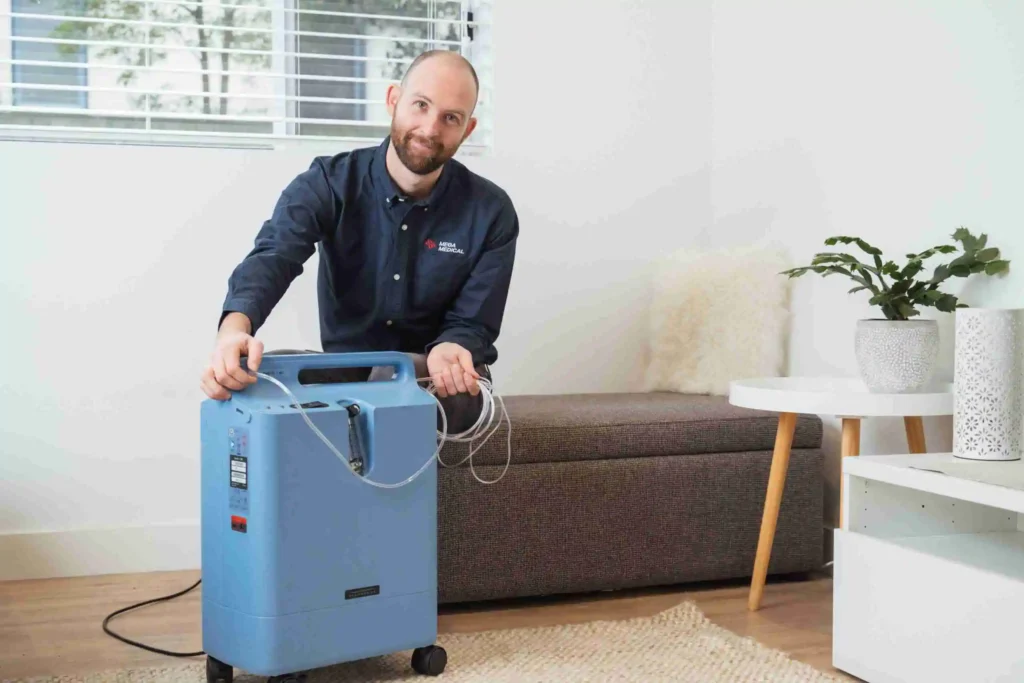
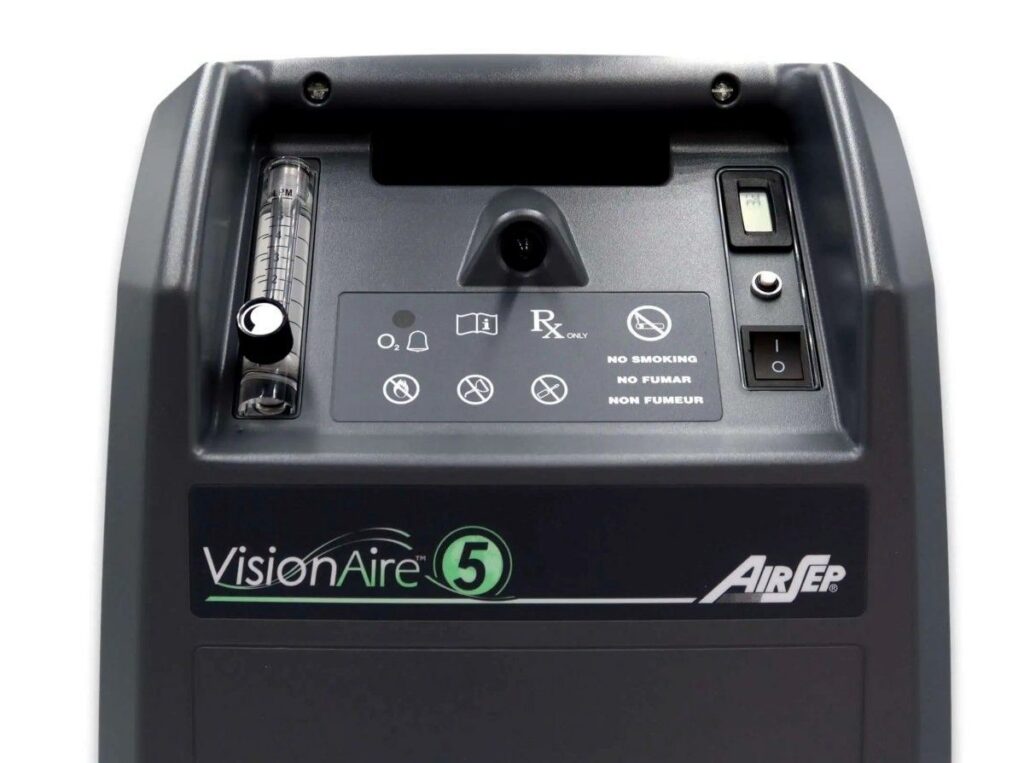
A home oxygen unit is meant to stay in one place and provide steady oxygen for longer periods. Most people mean a stationary oxygen concentrator, though some home setups also include large oxygen cylinders or liquid oxygen reservoirs.
Home units prioritise reliable output over portability. They are usually plugged into mains power and can deliver higher continuous flow rates than many portable options.
How do they deliver oxygen differently?
Portable machines often use pulse-dose delivery, meaning oxygen is released when they inhale. Home units more commonly provide continuous flow, delivering a steady stream whether they inhale or exhale.
This matters because some people, especially during sleep or with higher needs, may require continuous flow. Their clinician will specify whether pulse, continuous, or both are appropriate.”
Which one is easier to move and travel with?
Portable machines are far easier to move, because they are built for carrying and travel. Many are approved for air travel, fit into car footwells, and can be used while walking with a shoulder strap or small trolley.
Home units are not travel friendly. Even if they can be moved room to room, they are bulky, depend on mains electricity, and are not designed for day trips or holidays.
How do battery and power needs compare?
Portable machines run on rechargeable batteries, often lasting a few hours depending on setting, breath rate, and battery size. They will need charging habits and a backup plan for long days out.
Home units typically plug into the wall and run continuously without worrying about battery life. However, they may need an emergency plan for power cuts, such as a backup cylinder arranged through their provider.
Which one provides more oxygen output?
Home units usually provide higher and more stable oxygen flow, particularly on continuous settings. Many stationary concentrators can deliver higher litres per minute than typical portable concentrators.
Portable machines can be excellent for moderate needs, but some people will outgrow them if they require high continuous flow. The safest way to decide is to match the device’s maximum output to the prescription and their oxygen saturation targets. For a detailed overview, explore this resource on oxygen concentrators and their role in patient care.
How do noise and comfort differ at home?
Home units can be noisier in the room they are placed in, though many are manageable with sensible positioning. Their tubing may run from one room to another, which can be inconvenient but keeps the machine out of the way.
Portable machines tend to have a noticeable “puff” sound with pulse delivery and can be audible in quiet spaces. Comfort also depends on cannula fit, humidification needs, and whether their nose and throat dry out.
What are the typical costs and funding differences?
Portable machines are often more expensive to buy upfront, especially lighter models with stronger performance. Ongoing costs include replacement filters, cannulas, and eventually batteries.
Home units may be cheaper to run day-to-day and are commonly provided through healthcare services or oxygen suppliers depending on local arrangements. Their best option is to ask for a written breakdown of what is covered, what is rented, and what they must replace themselves.
Which one suits different lifestyles best?
Portable machines suit people who leave the house regularly, commute, travel, or want to maintain independence outside the home. They are also useful for people who need oxygen during exertion rather than all day.
Home units suit people who need oxygen for long periods indoors, require higher flow, or want a set-and-forget setup. Many people do best with both: a home unit for base use and a portable machine for going out.
What should they ask their clinician or supplier before choosing?
They should confirm whether their prescription requires pulse-dose or continuous flow, and whether they need oxygen during sleep, exercise, or at rest. They should also ask for a formal walk test or assessment with the exact device model, because settings are not equal across brands.
Practical questions help too: total carry weight, realistic battery duration, warranty length, servicing, backup oxygen plan, and expected replacement schedule. The goal is simple: the device must meet medical needs first, and lifestyle needs second, without surprises.
Related : How Does Home Oxygen Therapy Work and Is It Right for You?
FAQs (Frequently Asked Questions)
What are the main differences between portable oxygen machines and home oxygen units?
Portable oxygen machines are designed for mobility, using pulse-dose delivery with lighter, battery-powered concentrators suitable for travel and outdoor use. Home oxygen units are stationary, plugged into mains power, providing continuous flow at higher rates for long-term indoor use.
Which type of oxygen machine is better for travel and daily movement?
Portable oxygen machines are better suited for travel and daily movement as they are lightweight, battery-powered, often airline-approved, and can be carried with a shoulder strap or trolley. Home units are bulky, rely on mains electricity, and are not designed for trips or holidays.
How do battery life and power requirements differ between portable and home oxygen devices?
Portable machines run on rechargeable batteries lasting a few hours depending on settings and usage, requiring charging routines and backup plans. Home units plug into mains power for continuous operation but may need emergency backup solutions like cylinders during power outages.
Can portable oxygen machines provide the same oxygen output as home units?
Home units typically provide higher and more stable continuous oxygen flow rates than portable machines. Portable concentrators are suitable for moderate needs with pulse-dose delivery but may not meet requirements for high continuous flow prescribed by clinicians.
What lifestyle factors should influence the choice between a portable oxygen machine and a home unit?
Individuals who frequently leave the house, commute, travel, or require oxygen mainly during exertion benefit from portable machines. Those needing long periods of steady oxygen indoors or higher flow rates may prefer home units. Many people use both: a home unit for base use and a portable device when out.
What important questions should patients ask their clinician or supplier before selecting an oxygen device?
Patients should confirm if their prescription requires pulse-dose or continuous flow, assess needs during sleep, exercise, or rest, request assessments with specific device models, inquire about carry weight, battery life, warranty, servicing, backup plans, and replacement schedules to ensure the device meets medical and lifestyle needs without surprises.